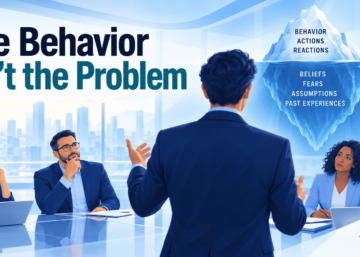
Leaders often say they want honest feedback, but few of them realize how difficult honesty is in the middle of a power imbalance.
The higher someone climbs inside the organization, the less likely people are to speak with complete openness around them. Your employees aren’t necessarily dishonest people, but power inevitably changes the emotional stakes of every conversation. As a leader, you can preach about how much you value transparency and direct feedback, but unless you lead by example, employees are still going to calculate risk before they speak.
You might feel like you’re prying for better communication, but your employees are worrying about future performance reviews, job security, mood shifts, and how speaking up could shift future opportunities. Because of this, true feedback often becomes distorted long before the words are ever spoken.
A lot of people will choose to give feedback based on safety versus truth. How honest can they afford to be? Pay attention and you’ll notice the ones who soften their language and carefully frame their concerns. This happens even in healthy organizations because power in general naturally creates asymmetry.
One person carries more authority, influence, control over opportunities, or perceived importance than another. That imbalance is going to change communication. In that environment, employees will always manage the outcomes instead of simply expressing their thoughts, and that’s exactly where feedback begins losing authenticity.
As a leader, it’s easy to misread this dynamic completely. You might assume that someone’s silence means alignment, or polite feedback must mean satisfaction. When nobody is raising concerns, it must mean the culture is functioning well, right?
Not necessarily. Silence often means people don’t trust the emotional consequence of honesty, and sometimes that’s a hard reality to accept. It creates a difficult paradox for leaders, causing them to feel confused, isolated, or blindsided because nobody is telling them the full truth anymore. Conversations become polished and meetings are overly agreeable.
People stop interacting naturally around authority figures once they believe honesty carries personal risk. A leader doesn’t need to yell, threaten, or punish employees directly for distortion to happen. Sometimes employees simply observe defensiveness, ego, mood volatility, dismissiveness, or subtle retaliation over time. That kind of experience is what shifts them into self-preservation mode , especially when their income and stability are on the line.
Feedback Turns Into Theater When Trust Disappears
This is where organizations start entering dangerous territory. Once employees stop believing candor feels safe, their feedback will start turning into theater. People will say what sounds acceptable while mirroring leadership language. They might start offering shallow observations instead of meaningful criticism. Meetings become exercises in impression management instead of problem solving.
Once you reach this point, you’ll stop receiving authentic input and start receiving curated emotional experiences. This is only going to create massive blind spots inside the organization. Bad decisions will start to linger while toxic behaviors stay protected, and the cultural problems will inevitably deepen.
Leaders often believe that they’re working to cultivate openness because they verbally encourage feedback, but requesting that feedback isn’t enough to build trust. Employees are always going to trust reactions over invitations. A leader can easily emphasize that their door is always open but then visibly shut down during criticism.
That kind of reaction carries more cultural weight than a hundred statements about transparency. People remember the emotional consequences, the tension in the room, and whether leadership became curious or combative when challenged. Memory always shapes future honesty. Employees are always gathering emotional data about what leadership truly wants versus what leadership claims to want.
Learn to Make Honesty Less Expensive
The ability to accept real feedback requires emotional discipline. Leaders who can receive and accept honest feedback will create ripple effects across entire organizations. People watch closely when leaders face criticism, and those moments teach them whether transparency actually feels safe inside the culture.
Can leadership hear difficult truths without becoming defensive? Can leaders separate disagreement from disrespect? Can they admit mistakes openly? Can they reward honesty even when honesty creates tension?
Think about the answers to those questions. Those behaviors matter because trust grows through observation. Employees don’t suddenly become candid because leadership asks nicely. They become candid and truthful when experience teaches them that their honesty won’t damage their safety or future in their career.
Real, genuine, and authentic cultures will feel uncomfortable at times. Honest communication isn’t always smooth and harmonious. Oftentimes, it requires friction as people challenge ideas and leaders hear things they dislike. Discomfort is never fun or easy to deal with, however avoiding that discomfort is what creates environments where truth disappears underground. And unfortunately, once that truth fades, dysfunction will always grow in its place. Strong leaders understand that real feedback isn’t about protecting their authority or image. It’s actually about protecting the company’s collective reality.
If you’re a leader trying to build a healthier feedback culture inside your organization, or an emerging leader preparing to step into greater responsibility, this work matters more than ever. Power will always shape communication, but strong leadership can reduce fear, encourage honesty, and create environments where people feel safe enough to speak truthfully.
That kind of culture requires intention, emotional intelligence, and consistent leadership development. To learn more about building trust-centered leadership practices and creating stronger organizational cultures, connect with us and explore our services designed to help you navigate these challenges with greater clarity and impact.