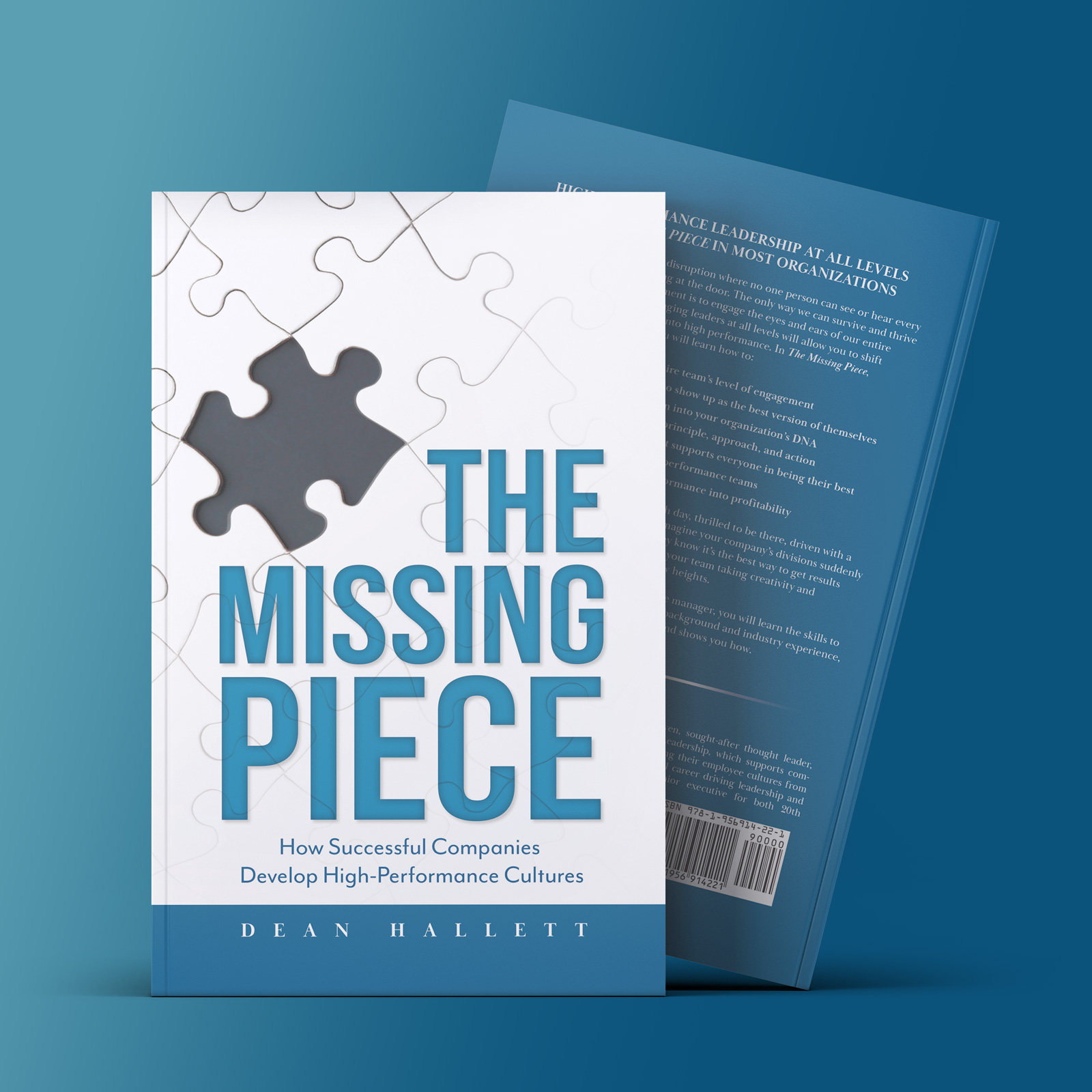
We like to define leadership through strategy and vision, and through the overarching success of businesses and teams. However, there are many puzzle pieces that have to be placed in order to perform well, and many of those pieces can be small and easily overlooked. One crucial piece of the puzzle is something quiet and powerful, and helps shape team performance.
Mood.
The emotional tone a leader brings to the room spreads and lingers. It reshapes how people think, act, and collaborate, often without anyone labeling it.
Every team operates inside an emotional weather system. Some environments feel like clear skies that are calm and easy to navigate. Others are like a storm building, where the atmosphere feels tense, unpredictable, and even slightly unsafe. Leaders are the ones who drive the weather.
A leader showing up to the office stressed or reactive puts pressure on the room, and everyone shifts to safely react. Conversations are shortened, people second-guess themselves, and even the high performers start optimizing for safety instead of excellence.
When a leader shows up grounded and steady, space opens and people speak freely. Ideas surface faster, and teams treat mistakes as a natural part of a process instead of embracing them as sharp failures. The fix to an unsteady workplace doesn’t have to come from long speeches and active repairs. It often comes from tone, posture, and the ability to communicate effectively.
Emotional Contagion Happens Fast

People absorb emotions from each other constantly, but in leadership, that effect is a bit more intense.
A leader entering a meeting visibly frustrated will always shift the tone of the room. Inevitably, people will grow cautious, and the risk of creativity can drop. Exploration and the space to openly think doesn’t feel safe in this environment, because when a leader is too absorbed in emotions, it’s difficult to nurture things like curiosity and creativity.
You’re never going to actually hear that work has suffered because “the manager felt anxious.” It’s easier to blame a drop in productivity on things like heavy workloads, timing, or unclear priorities, but the truth always rumbles just beneath the surface. However, learning the ability to remain composed and show curiosity helps other people expand. They contribute more and build on each other’s ideas.
My Own Experience
I have worked for and with many organizations over the years. From EY to Disney to Fox, I can recall many examples where leaders were stressed, and teams took a highly cautious approach. I can also recall those times when I let my own emotions get ahead of me, causing my teams to step back. The key is to catch ourselves in those moments and choose to show up in the best way for our teams, so that they can continue operating at high-performance levels.
In my experience, my teams performed their best when I was able to set aside my own stress and anxiety and not bring those into the room. To do this, I used tools at my disposal, including trusted colleagues who would create the space for me to safely vent my frustrations and not dump them onto the team, allowing me to keep the overall team psychologically safe.
Mood Shapes Risk

Companies thrive when employees feel safe to take some risks. Innovation, problem-solving, and speaking up all require risk, but when a leader signals volatility by acting impatient, irritable, or unpredictable, people quickly learn to reduce exposure. Safety becomes an issue of stepping away, and people start sharing fewer ideas and avoiding hard conversations.
From the outside, this looks like disengagement, but in reality, it reflects adaptation. The team is always going to respond logically to an environment that feels unsafe.
Emotional strain carries a real cost. As humans, we spend our lives learning how to read the room, interpret tone, anticipate reactions, and manage impressions. Nurturing energy helps people think deeply, creatively problem solve, and collaborate for long-term success. Tension, however, redirects that energy, and can transform sharp minds into cautious ones.
This doesn’t mean you have to be a bubbly, always-positive personality. Forced positivity carries its own kind of instability because it’s inauthentic. Emotional intelligence and consistency are key.
A strong leader:
- Responds predictably
- Communicates clearly under pressure
- Handles stress without projecting it onto others
Bad days happen, but strong leaders don’t let those days define the environment for anyone else. Consistency builds psychological safety, and that psychological safety is what helps drive performance.
Small Signals Create Culture
Big moments matter, but small interactions shape performance over time. Those small interactions cultivate company culture. People remember the way leaders respond to mistakes: whether they listen fully, how they speak, and what their presence feels like in conversations. Moments like these stack, and the patterns that emerge define the culture.
If mood shapes performances, self-awareness becomes essential. As a leader, ask yourself:
- What emotional tone am I bringing into this space?
- How does my stress show up to others?
- Am I creating openness or tension?
This doesn’t require perfection, but it does require awareness and adjustment. You have to be aware of your emotion and notice when it affects others.
Mood can’t be tracked through KPIs, but it influences everything from communication and problem-solving to initiative and retention. It’s one of the most powerful and overlooked levers in any organization because it’s subtle.
Your team could have a hundred brilliant strategies, but all of them could fall under the weight of the leader’s emotional presence. A steady, intentional emotional environment can elevate an average plan into something exceptional. Leadership goes beyond action. It shapes how work feels, and that feeling drives performance more than most leaders realize.